Above Board

Workplace Violence Prevention: What Every Organization Needs to Know
No federal OSHA standard specifically requires a workplace violence prevention program. OSHA nevertheless cites employers for workplace violence hazards under the General Duty Clause, Section 5(a)(1) of the Occupational Safety and Health Act.
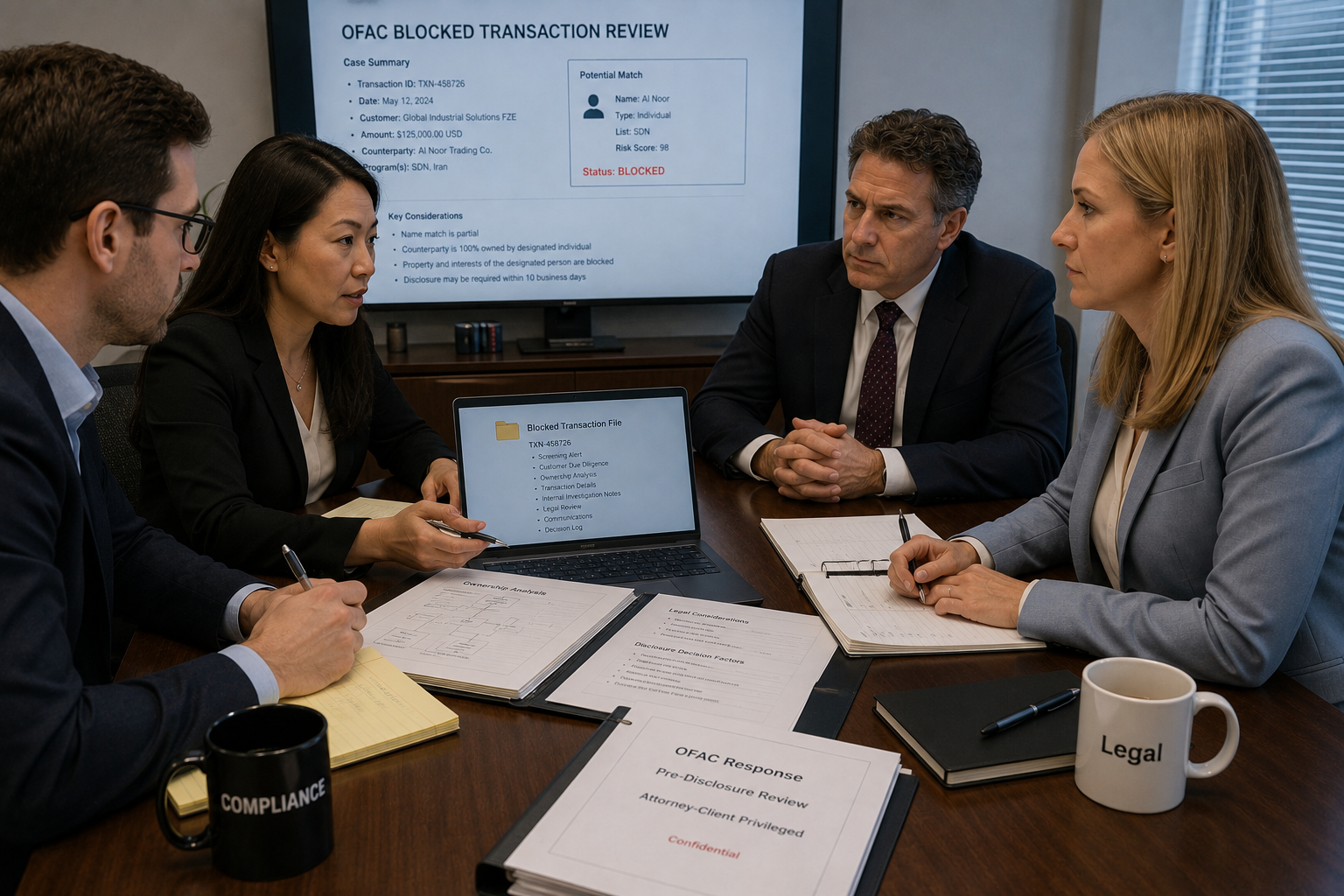
Sanctions and OFAC Screening: What Compliance Officers Get Wrong
Sanctions exposure is fundamentally an ownership and control question, which makes it an investigative problem before it is a screening problem. Falcon associate Lionel Baren spent 22 years as an FBI Special Agent working money laundering, terrorism, and national security matters, then served with the U.S. Department of the Treasury Office of Technical Assistance on assignments in Afghanistan, Jamaica, and Suriname.

Where AML Compliance Programs Break Under Examination
AML programs rarely fail on paper. They fail in execution. Examiners find transaction monitoring tuned to suppress alert volume, customer risk ratings that
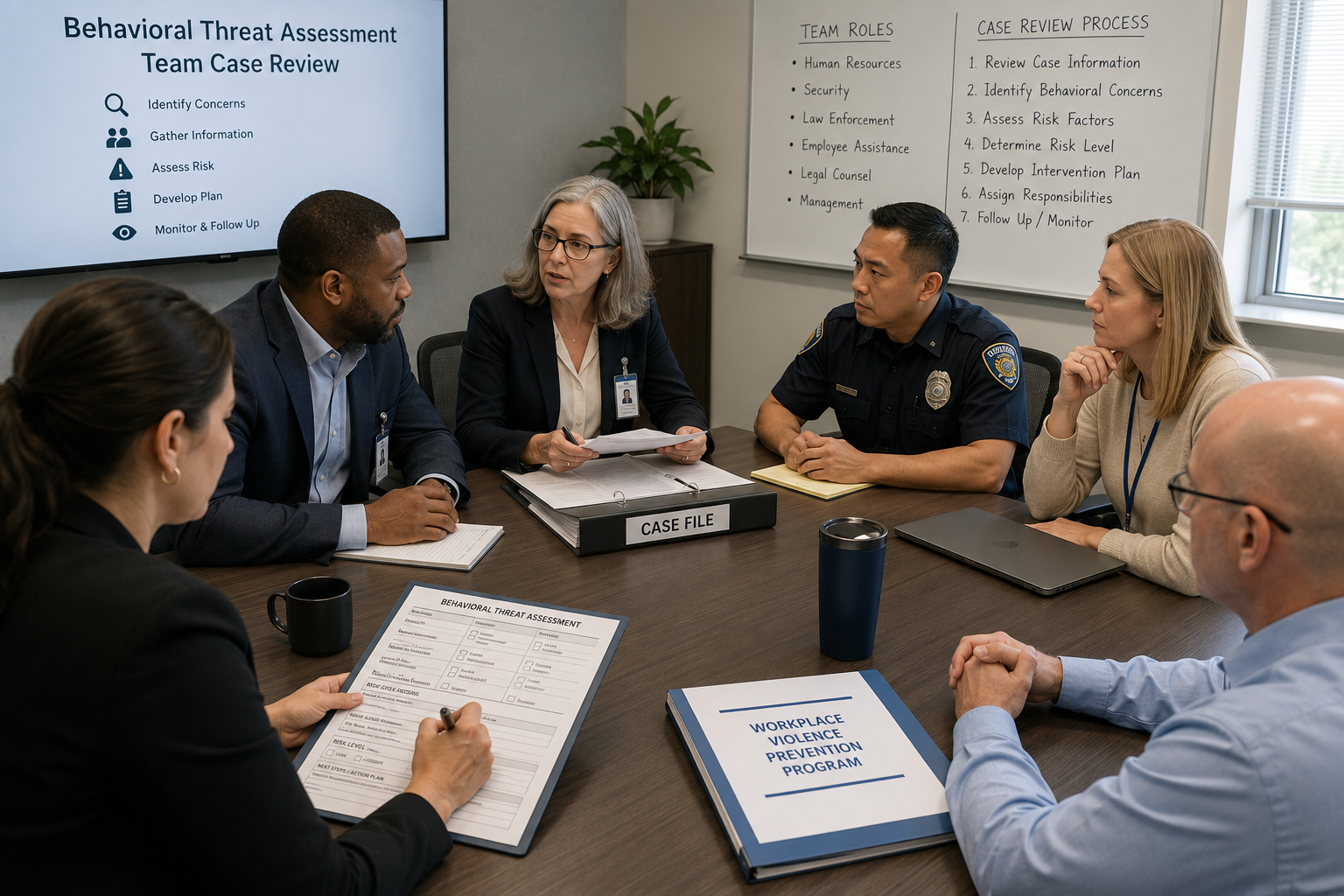
What Actually Happens in a Behavioral Threat Assessment
A behavioral threat assessment evaluates whether a person is on a pathway to violence. It is not an HR investigation and does not determine policy violation.
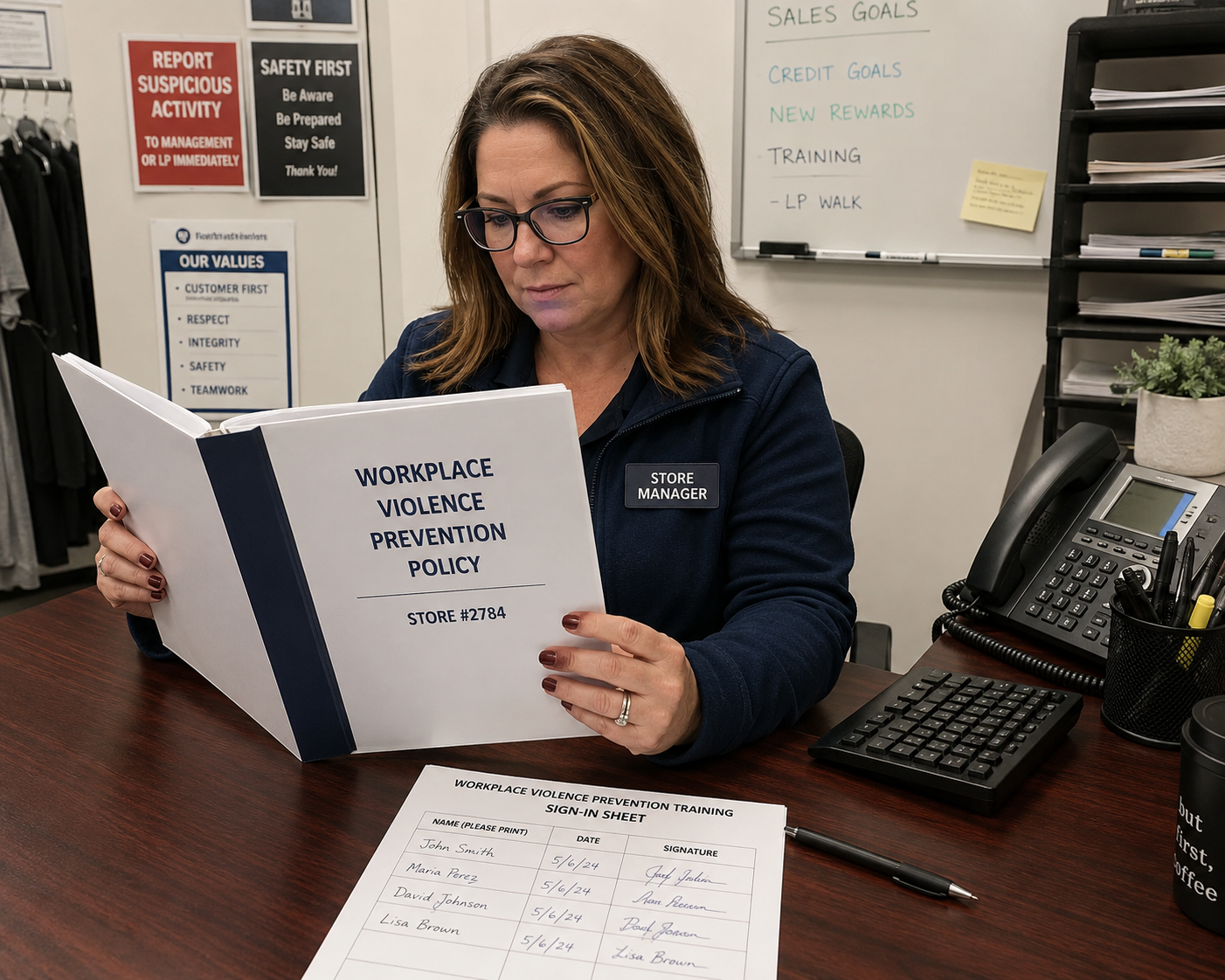
Workplace Violence Prevention Requirements for NJ and NY Employers: What Compliance Officers Must Document
New York requires employers with 10 or more retail employees to maintain a written workplace violence prevention policy and provide interactive training.

Credible Expert Witness in a White Collar Fraud Case: What Counsel Must Know
White collar fraud cases turn on expert credibility. Learn the legal framework, five key qualities, and red flags to vet before you make the retention.

How to Vet a Foreign Business Partner Before You Sign the Deal
Cross-border deals fail months after closing — not at signing. Learn the seven-layer international due diligence framework that protects US companies from FCPA, sanctions, and hidden liability.

Does Your CEO Actually Need Executive Protection? A Risk-Based Guide
Trained specialists — typically former federal, state, or military with specific protective training — at defined exposure points: commutes, public appearances, travel, and events.

How to Build an FCPA Compliance Program That Holds Up Under 2026 DOJ Scrutiny
An FCPA compliance program is not only a front-end screening exercise. It is a financial-controls discipline that runs through every payment, every vendor, every joint-venture distribution, every expense reimbursement that touches an international operation.